We offer a variety of free ongoing engagement materials, all based on the evidenced-based model of the bias habit-breaking training
Resources Related to the Bias Habit-Breaking Training

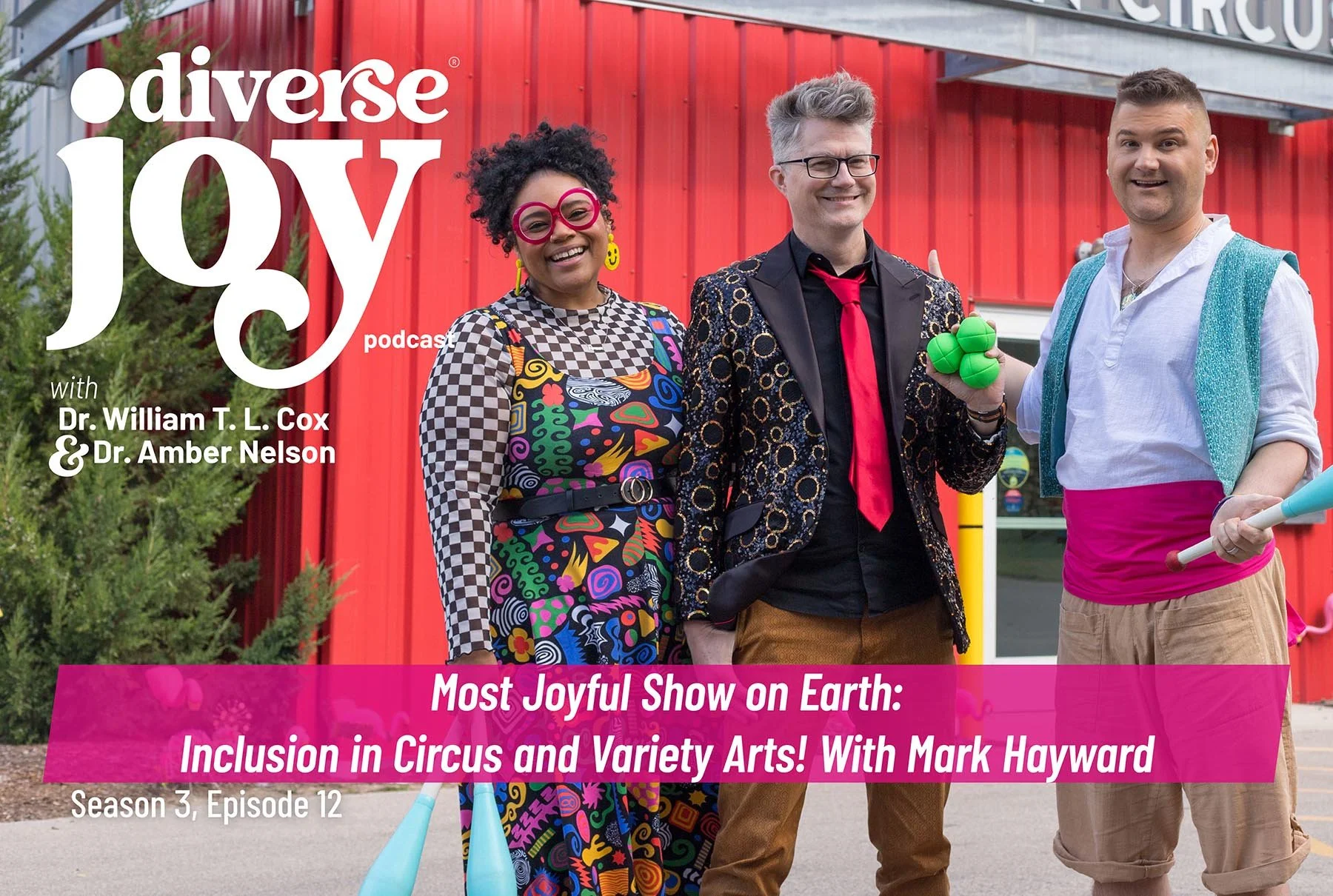
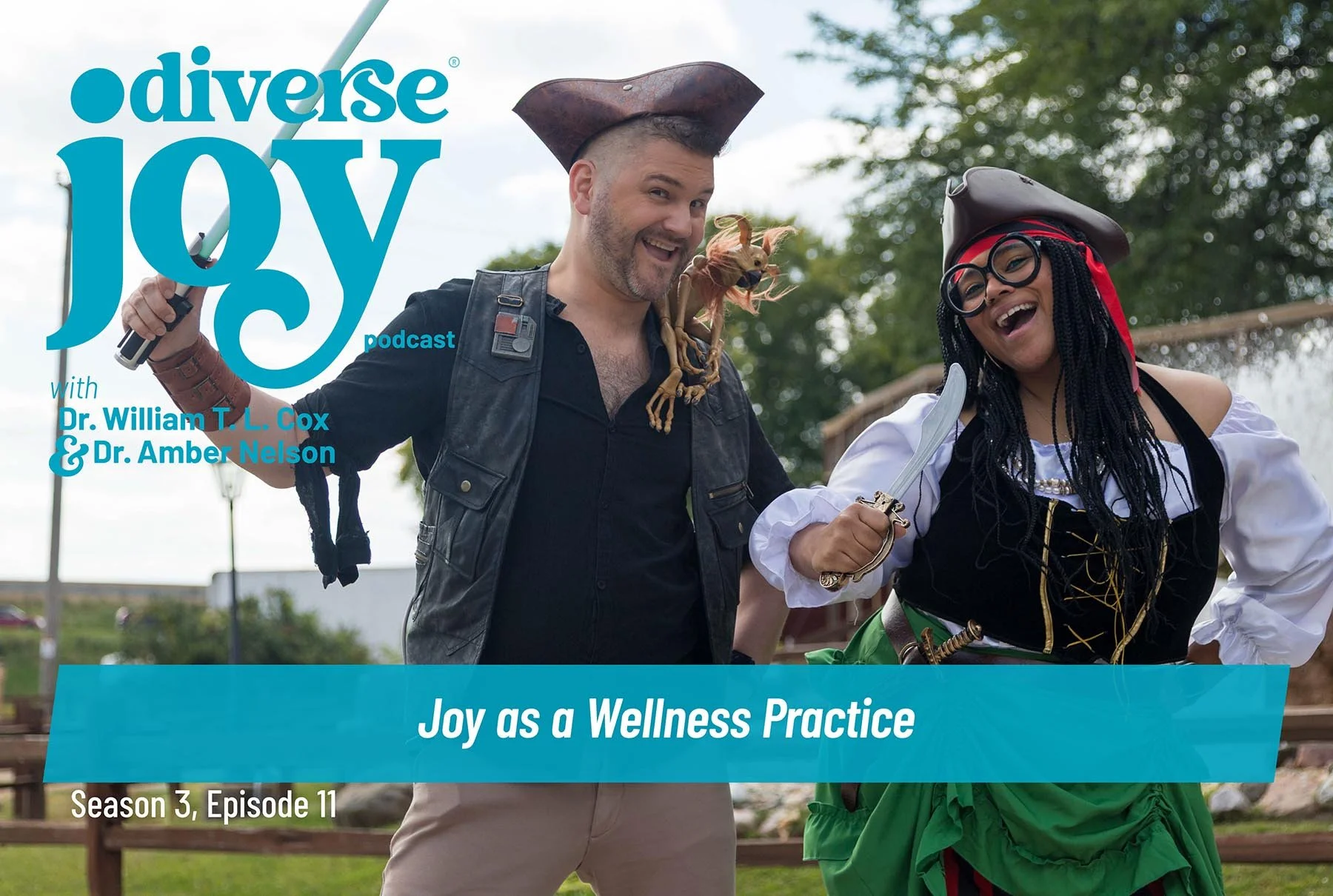
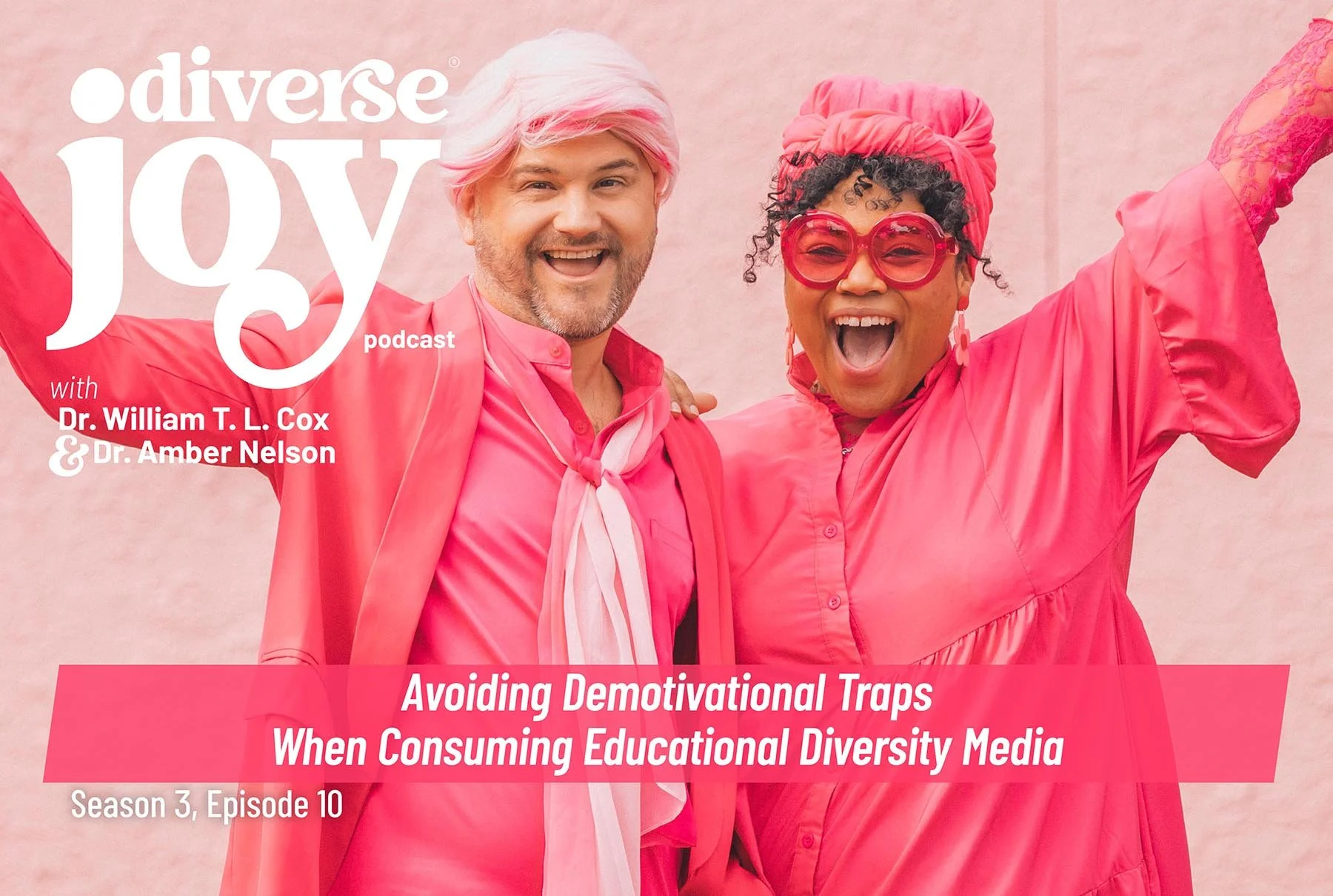
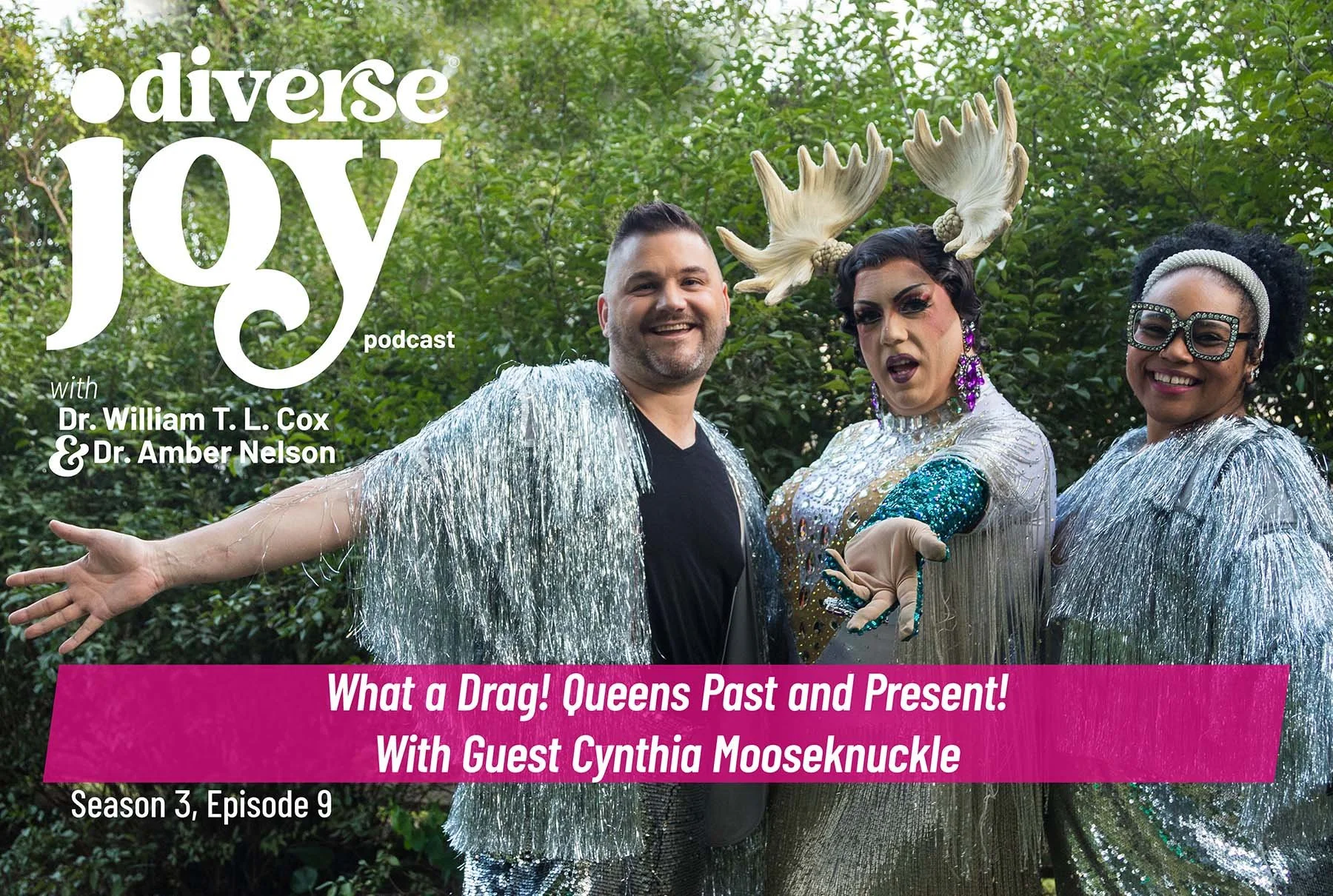
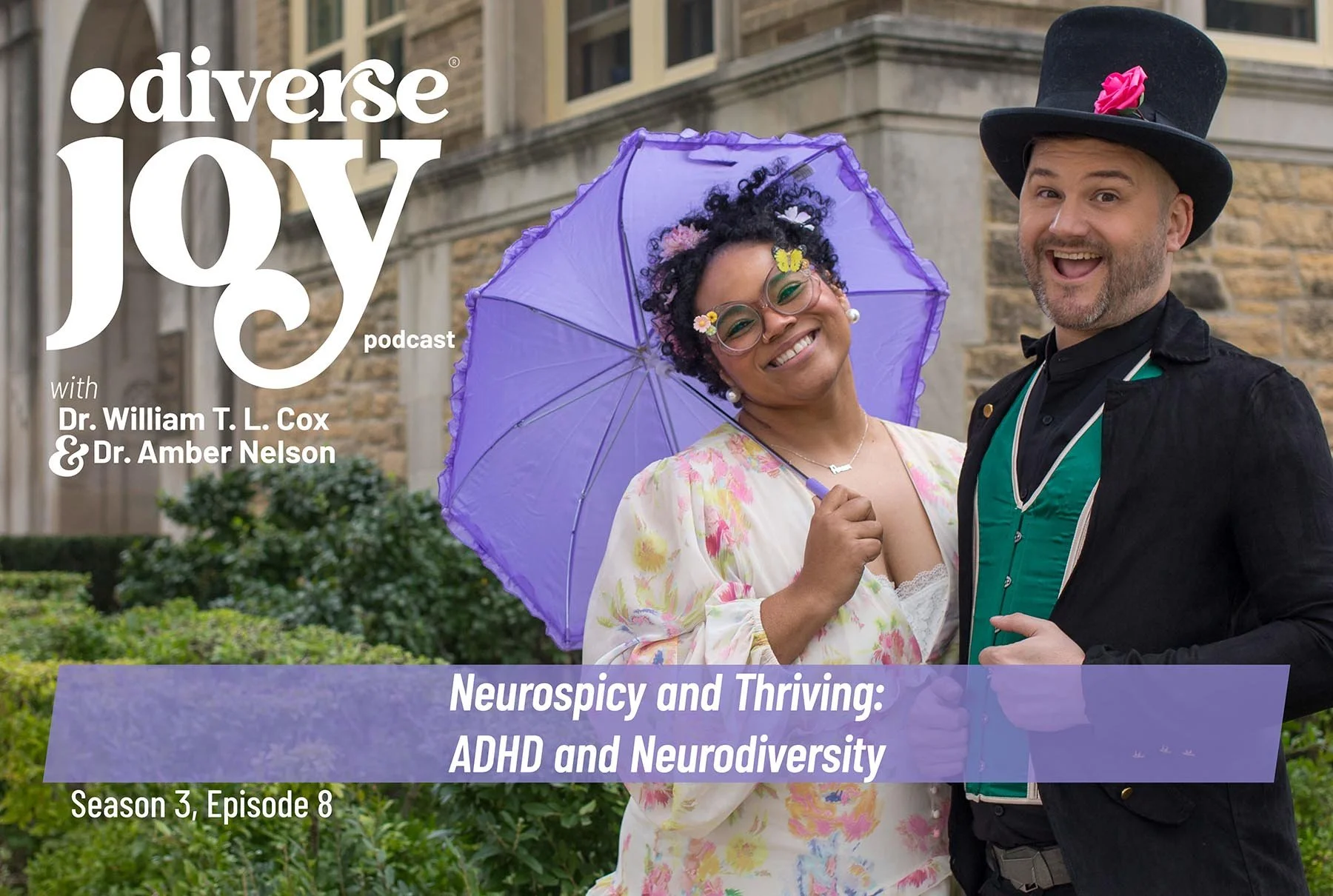
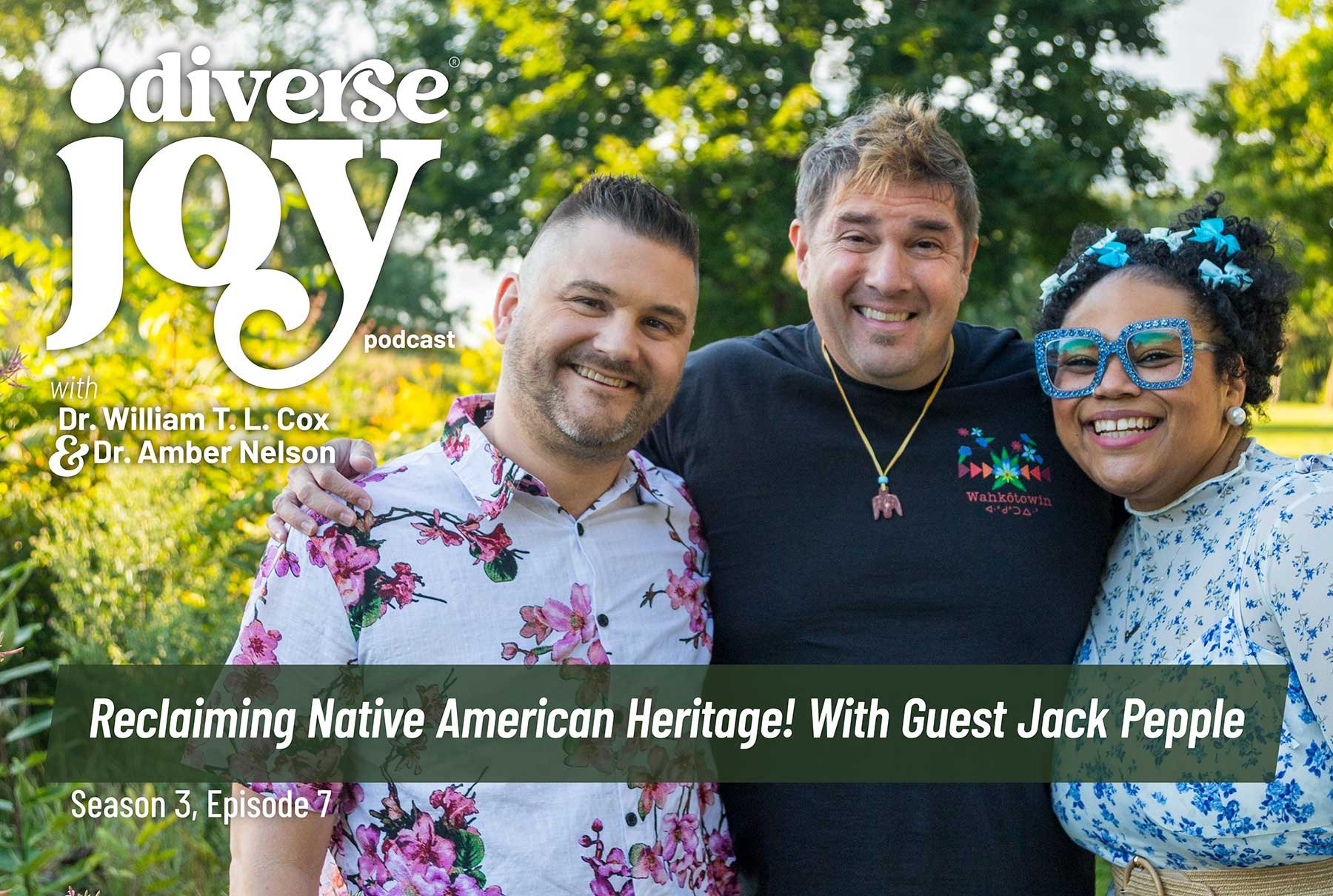
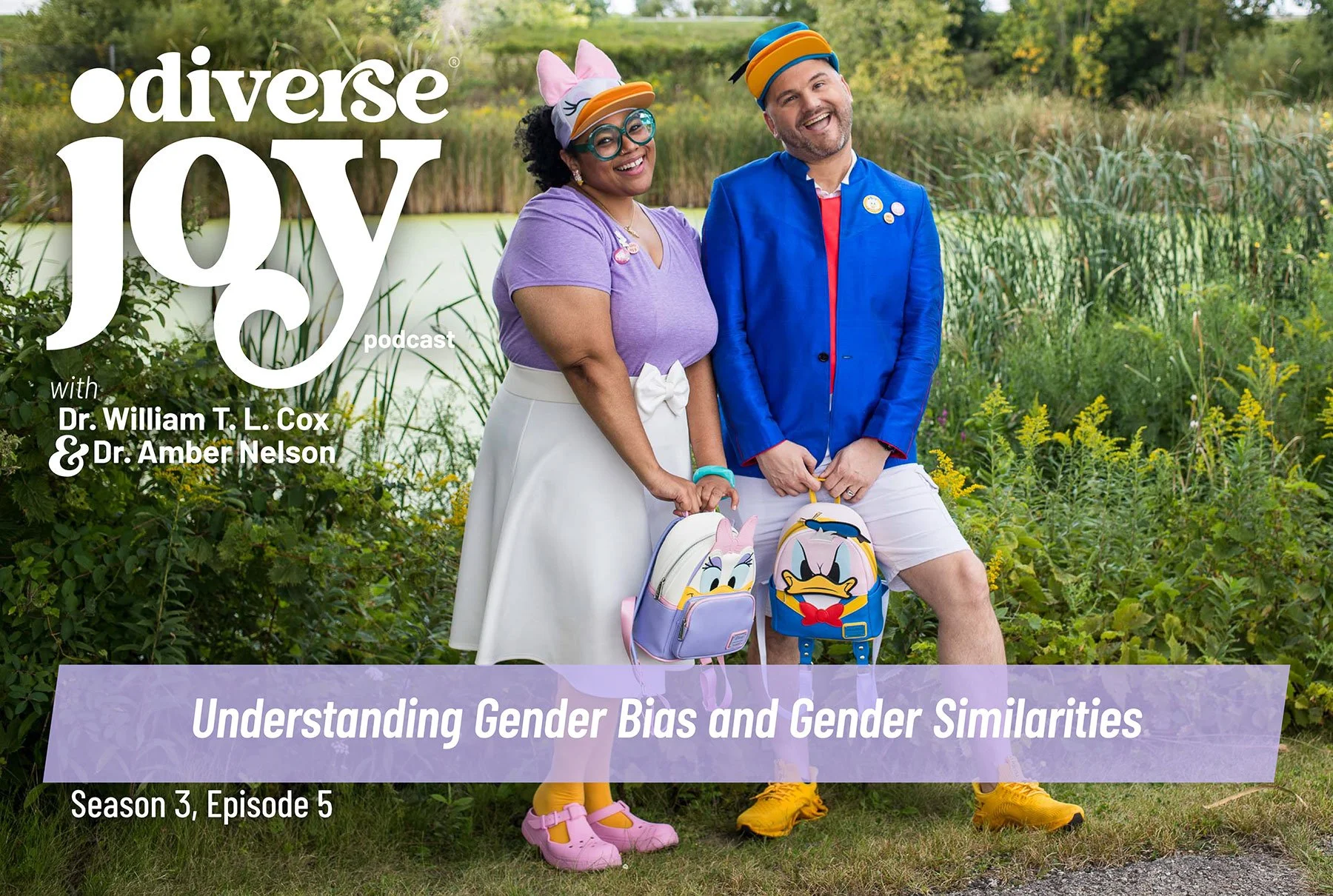
Diverse Joy® Podcast & Educational Video Series
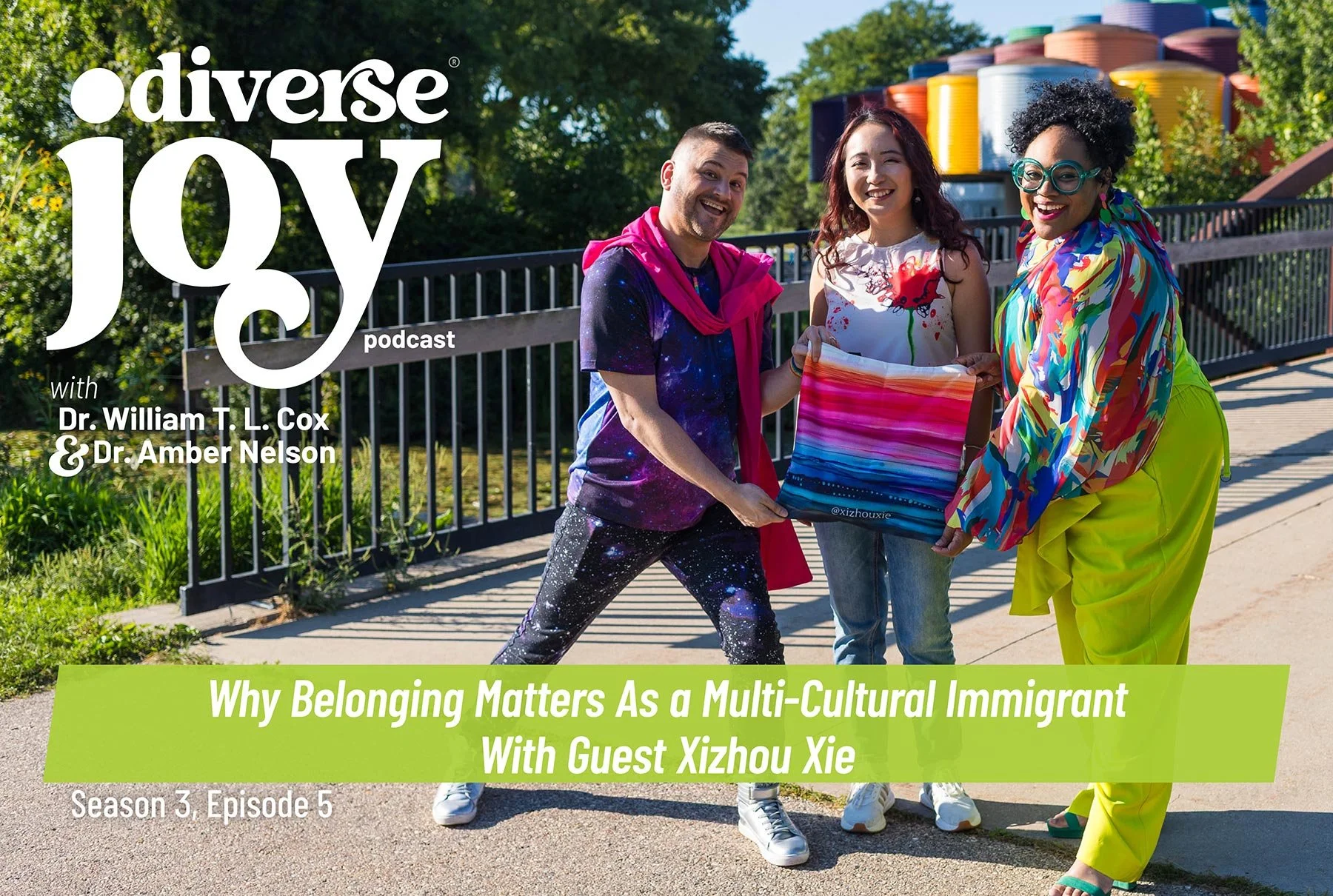
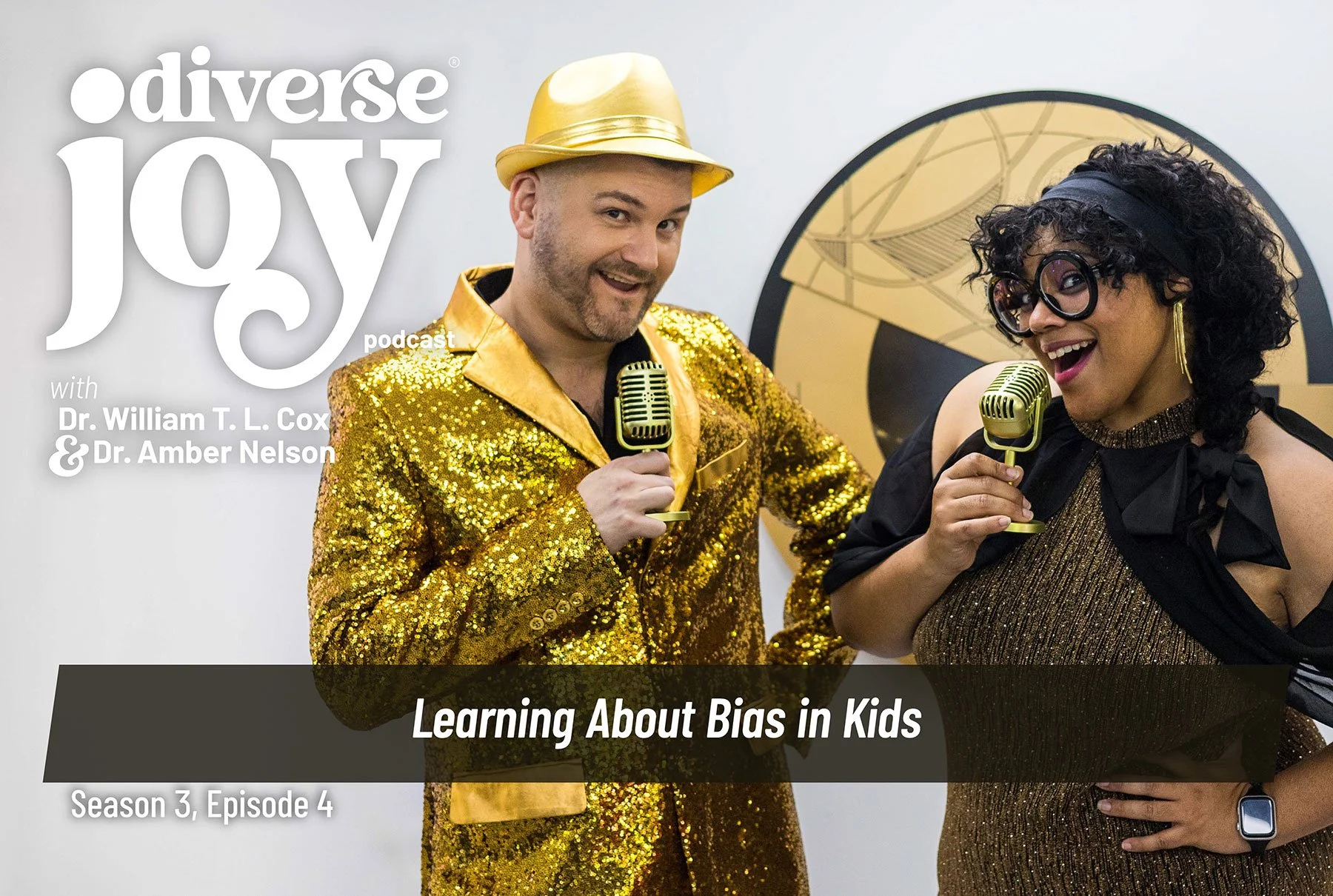
Hosted by Dr. William T. L. Cox and Dr. Amber Nelson, Diverse Joy infuses science, practical skills, and most of all, joy into diversity discussions!

More than “just” a podcast, every episode of Diverse Joy is carefully crafted as a standalone educational resource, built on the fundamental evidence-based model of the bias habit-breaking training.
New episodes release the first Wednesday of every month. Published episodes can be found on our website or by searching for “Diverse Joy” in any podcasting app, including Apple Podcasts, Spotify, iHeartRadio, RSSFeed, and Amazon/Audible; or follow the video version of the podcast by subscribing to @BiasHabit on YouTube.
Follow Diverse Joy on the socials, including Facebook, Instagram, Twitter/X, and Threads, for shareable episode snippets and news.


Joyful Recommendations Media Guide
On every episode of Diverse Joy®, the official podcast of Inequity Agents of Change, we close the episode by making a recommendation of a book, movie, music, or TV show that does diversity well that we also hope will bring you some joy.
Some of the entries in our media guide actually come from the opening segment, What’s Bringing Us Joy?, which is usually focused things happening in either of the hosts’ lives, or the life of their guest, but that can include a book they’re reading that’s worth recommending, too!
-
Book recommendations have included classics such as Are You There God? It's Me, Margaret by Judy Blume, recommended by guest Nicki Vander Meulen, Esq. (The movie adaption that came out in 2023 is very worthwhile, too!)
And, while not its episode’s “official” recommendation, in the March 2026 episode, co-host Amber recommended Romanticize Your Life as part of what was brining her joy (the show’s opening segment).
-
Movies are a great way to broaden your input: You’re getting onscreen representation, they’re easily digestible in one sitting, and they can be great for learning via analogy in media.
One of our favorite movie recommendations is Fire Island (2022), a Hulu original film loosely based on Pride and Predjudice. Written by Andrew Ahn and Joel Kim Booster, who also stars in the film, it takes a diverse group of gay friends on vacation together before throwing classism and romantic subplot hurdles at them (much like the original Austen novel)
-
We haven’t had many music recommendations, but the ones we have had are great.
Dolly Parton (whose philanthropic work helps make the world a better place); Laufey, a Chinese-Icelandic singer songwriter who’s making jazz popular; and Beyoncé’s Cowboy Carter album.
-
Whereas movies are great for being easily digestible in a single sitting, TV shows help you with repetition while broadening your input. Shows such as I Love Lucy, featuring an interracial couple (at a time when that was not seen in media), or Lizzo’s Watch Out for the Big Grrrls showcasing larger women of color who are also skilled athletes competing to be dancers on tour with Lizzo, give you that input not for just 90 minutes and then you’re done, but for a half hour (or more) repeatedly.
Shareable Videos
Our YouTube Channel includes publicly available videos with information about the bias habit-breaking training, abbreviated excerpts from the training, and related resources.
Two examples, seen here, are:
Introduction to Dr. Cox and Evidence-Based Bias Reduction Trainings - a brief overview of Dr. Cox’s background, including some of the research on the bias habit-breaking training, and our mission at Inequity Agents of Change
Accumulation of Bias - an animated excerpt from the training focused on the aspect of how incidents of bias are not isolated: “A big part of the issue is that individual incidents are not isolated experiences. In the context of race, many Black people report that even if a single instance of bias may not be catastrophic when considered in isolation, the frequency and accumulation of many bias incidents over time is exhausting and can be overwhelming.”
Excerpts of Training Content
Learn some basics about how to break the bias habit with this playlist of videos.
We’ve created 10 easily digestible parts of the training, each its own video ranging from 4 minutes to 7 minutes, and put them into a YouTube playlist. With each video being bitesized, you can get a quick overview of the content from the Bias Habit-Breaking Training.
The embedded video here is the first of the 10 videos. If you click through to watch it directly on YouTube, you’ll be taken the playlist page with access to the remaining videos in the series.
The videos cover:
Bias Habit-Breaking Model 1: Introduction and the Personal Dilemma of Unintentional Bias
Bias Habit-Breaking Model 2: Stereotypes and Biases are Habits of Mind
Bias Habit-Breaking Awareness 1: Accumulation of Bias, Impression Justification
Bias Habit-Breaking Awareness 2: Ways Biases Negatively Affect Interactions with Others
Bias Habit-Breaking Awareness 3: Three Ways We Process Evidence that Perpetuate Biases
Bias Habit-Breaking: Three INEFFECTIVE Tools that Lead to More, Rather Than Less, Bias
Bias Habit-Breaking Tools 1-3: Three Tools to Retrain Reactions
Bias Habit-Breaking Tool 4: Broaden Your Input Via Contact, Media, and Images in Environment
Bias Habit-Breaking Tools 5-7: Seek Individuating Information, Think Ahead, and Speak Up
Bias Habit-Breaking Tools Recap, Wrap-Up, and Credits: Applying Tools Thoughtfully
If you enjoy the videos, please consider subscribing to our YouTube channel; it boosts us in their algorithms so that new people might find our videos and be helped by our evidenced-based skills to reduce bias, create inclusion, and promote equity!