
Diverse Joy Podcast - Season 3, Episode 14
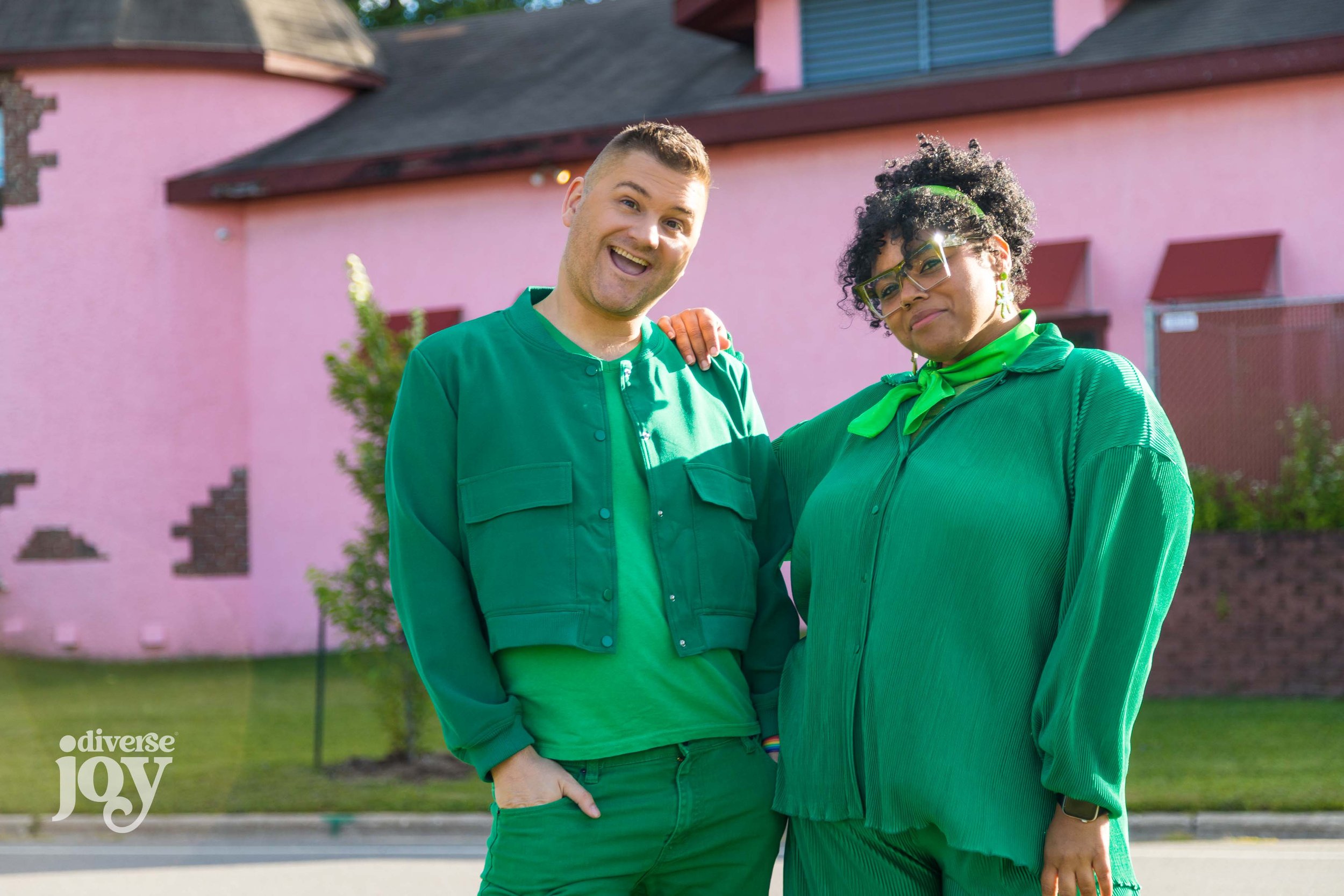
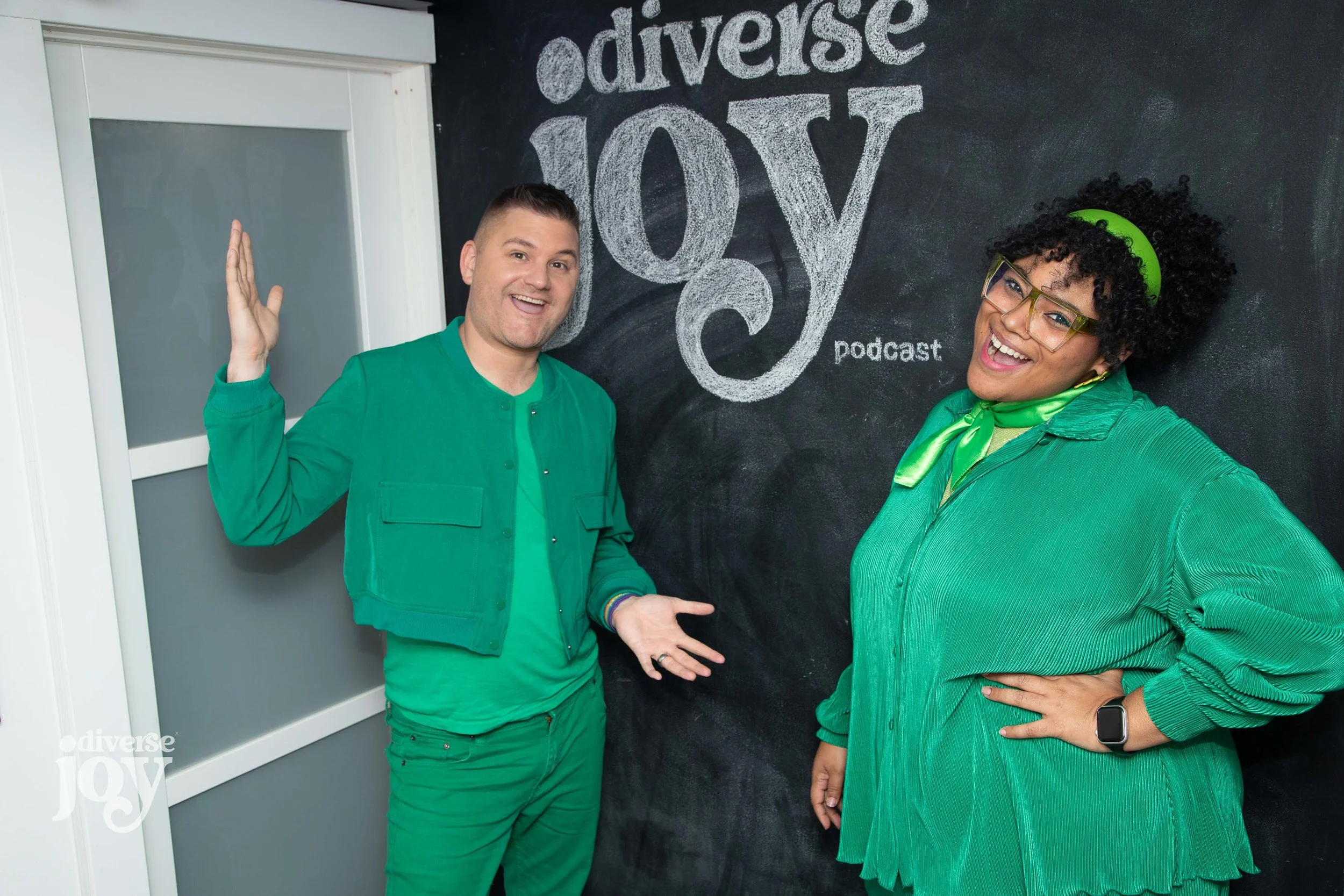
While sharing about what brings each of them joy in the season 3 finale, Amber discusses adult friendships and community, while Will’s is his recent foray into writing fiction novels!
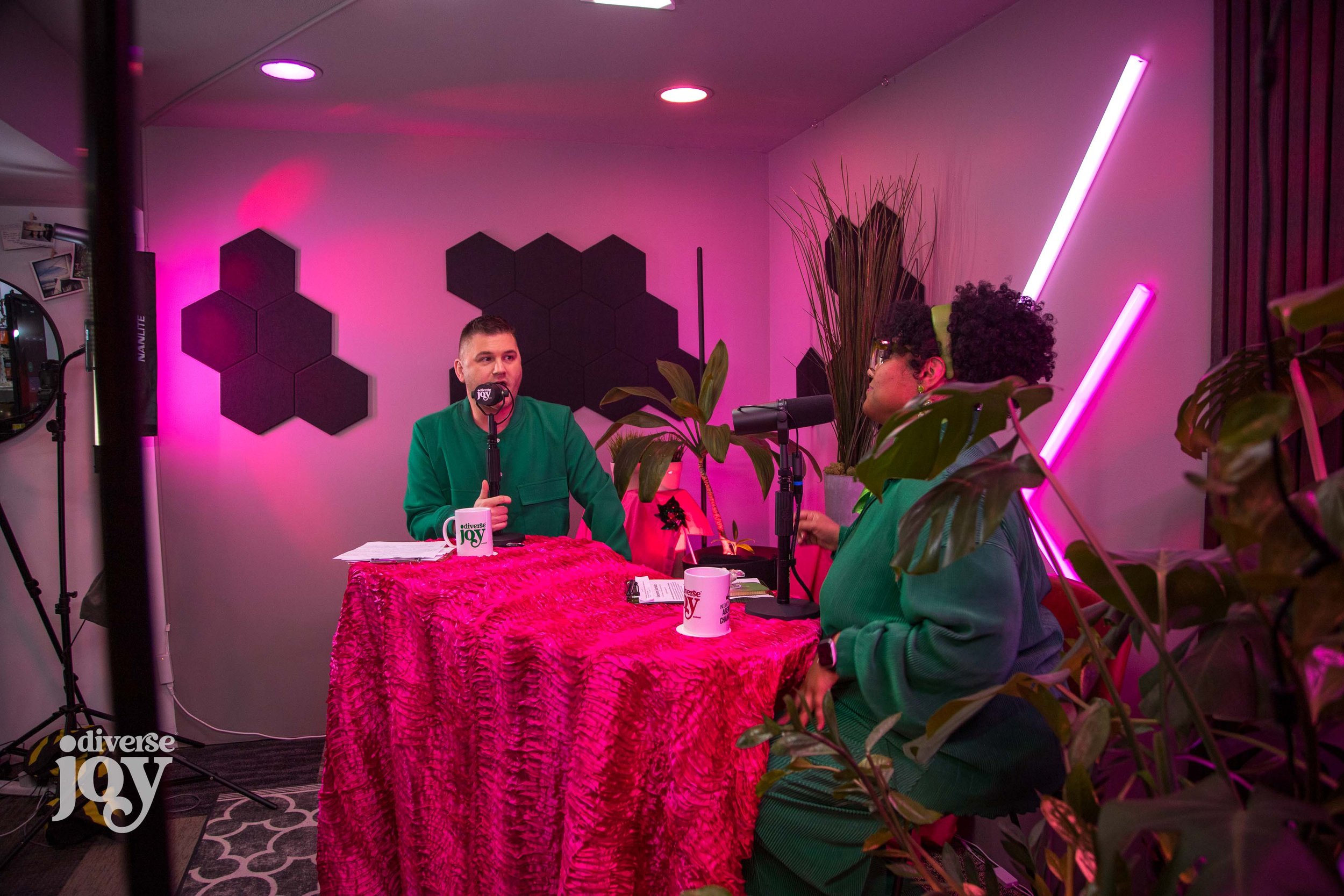
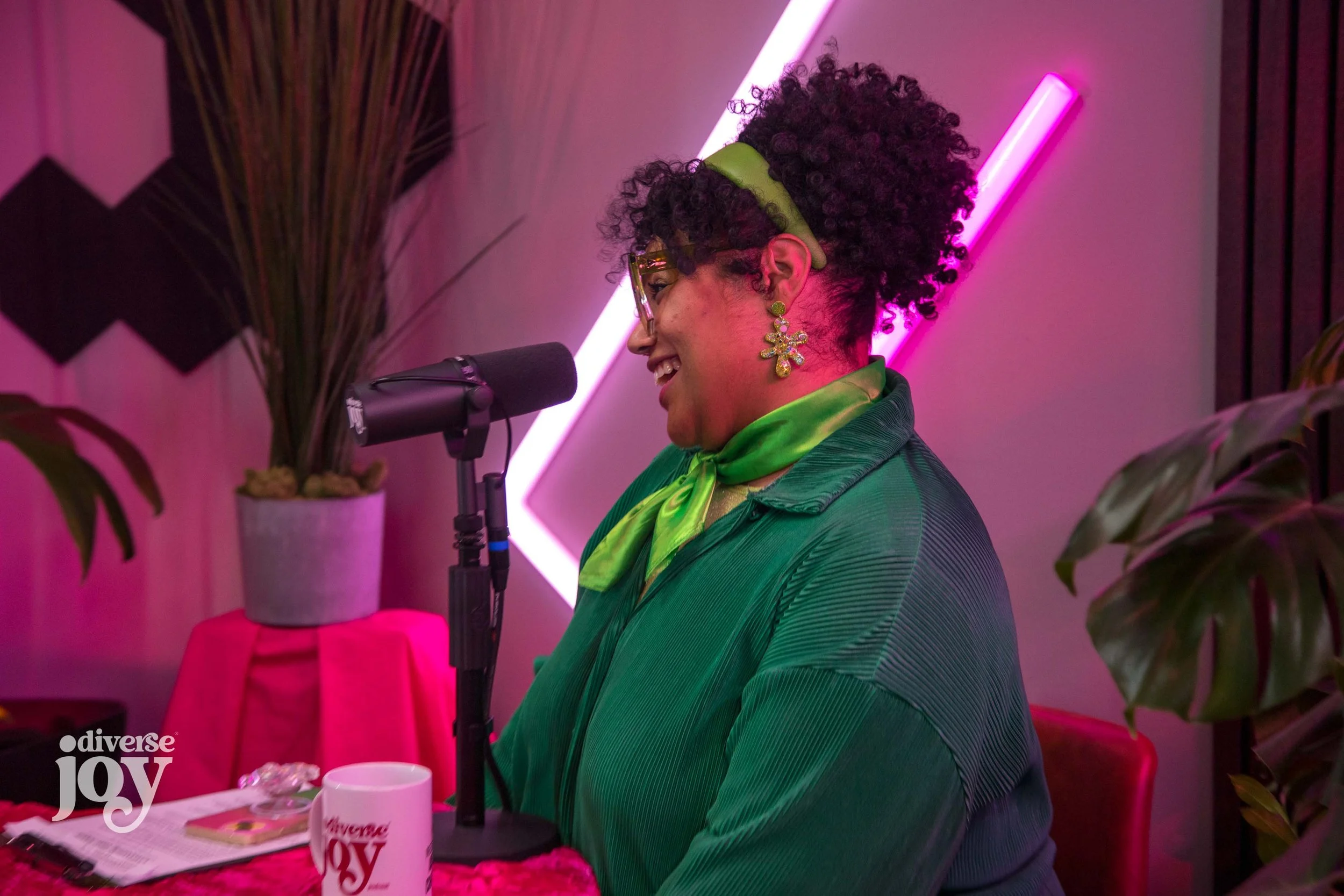
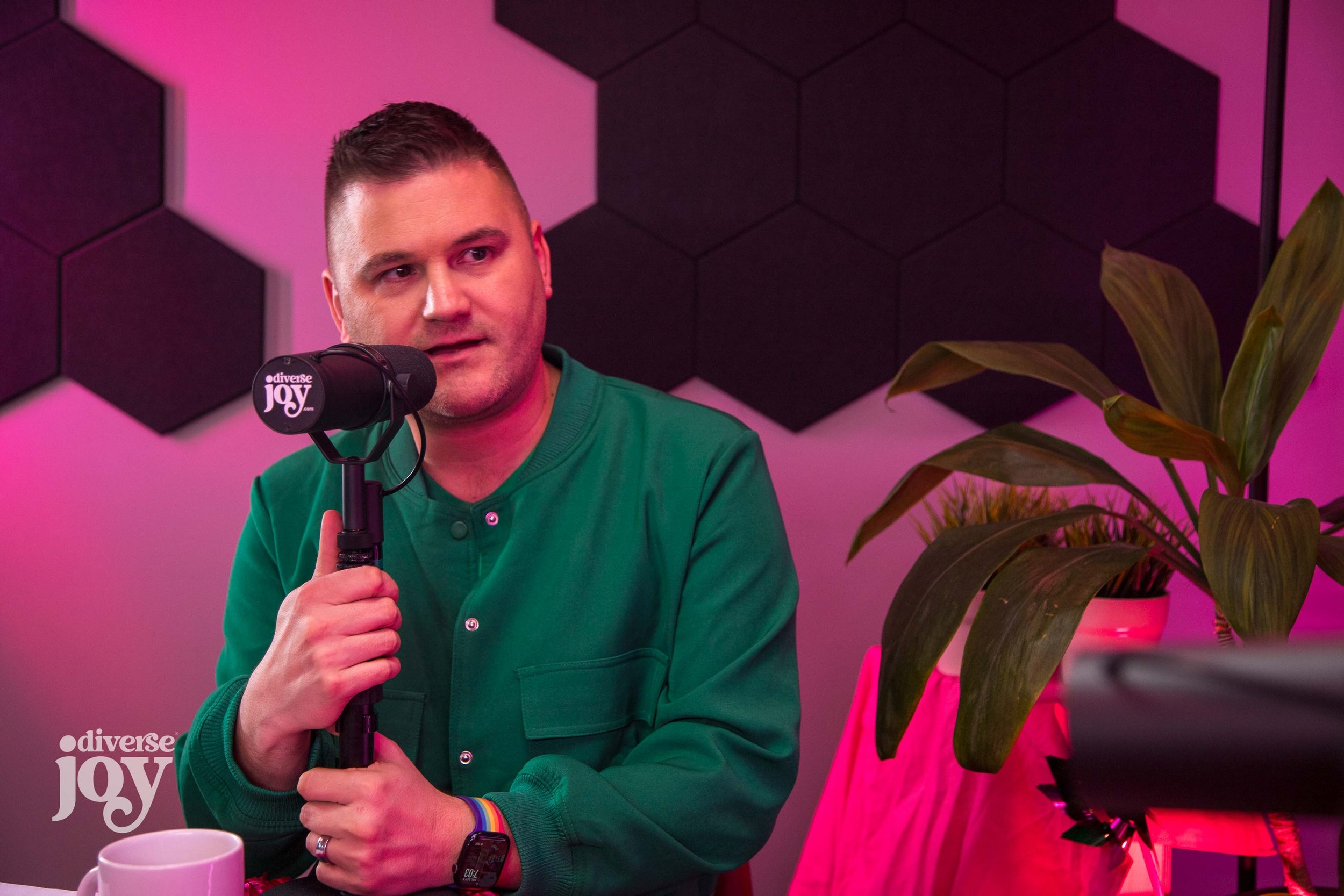
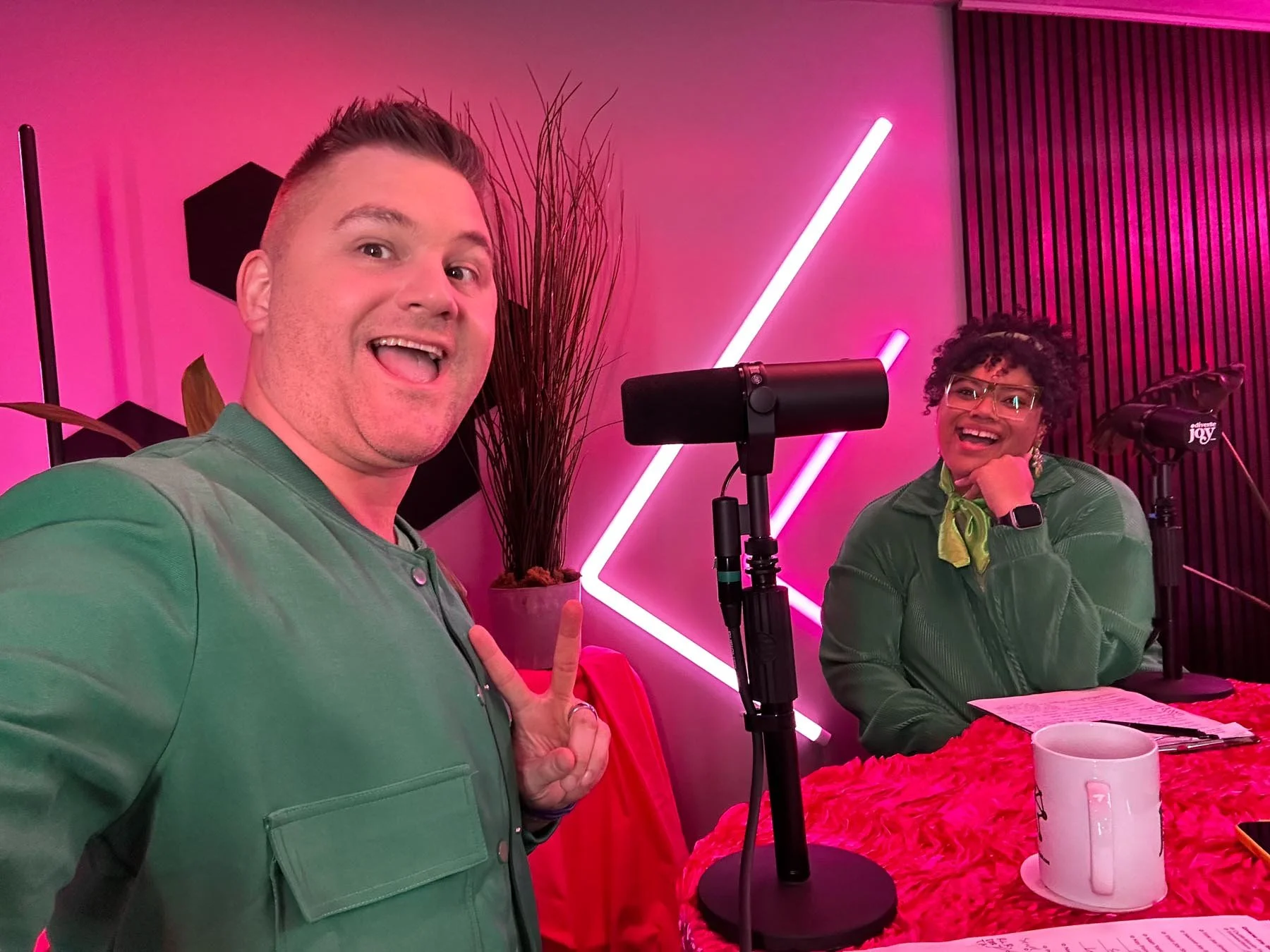
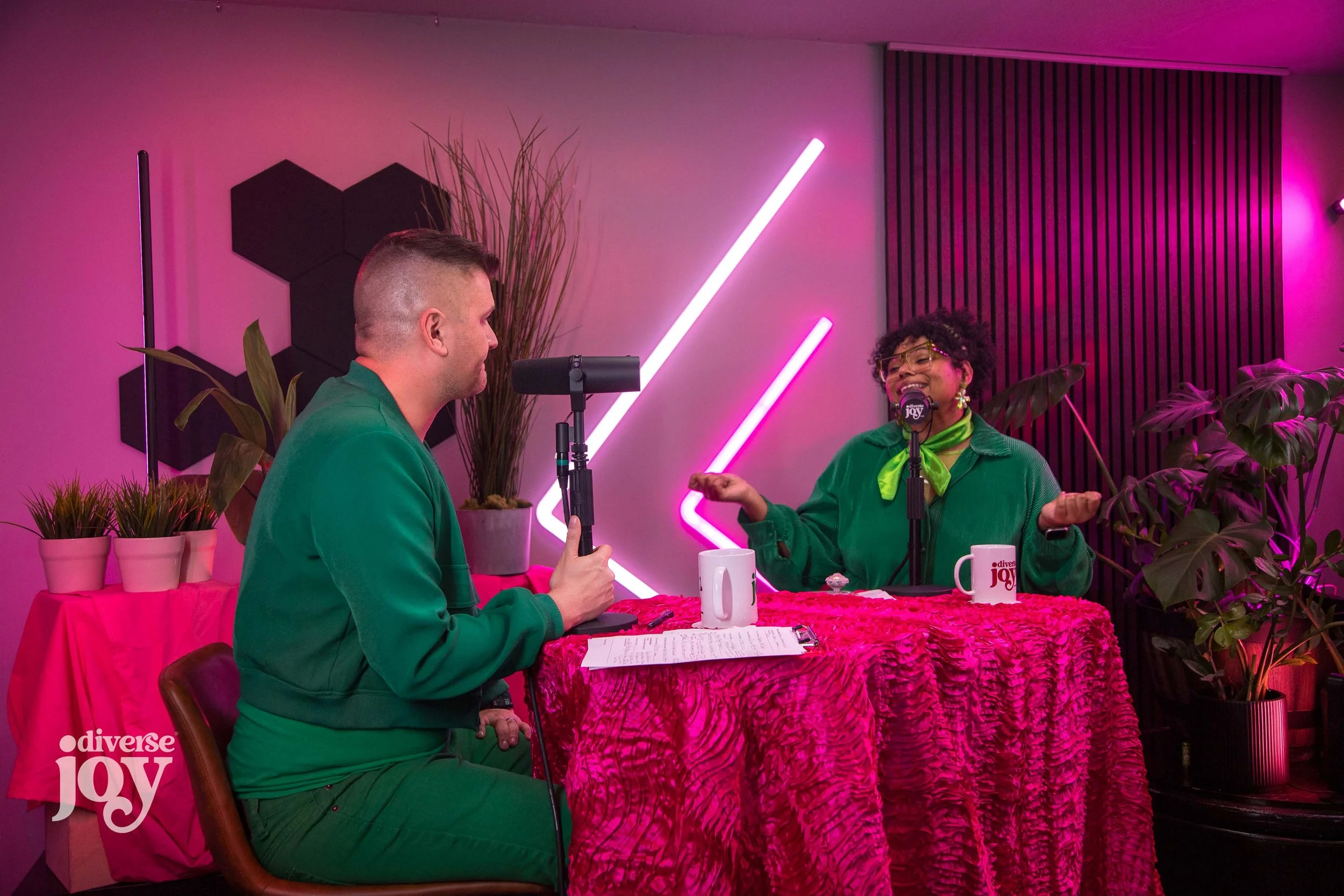
A mid-record still of Will and Amber
The main discussion topic this episode is the ongoing work of Allyship and Advocacy. One big piece of advice is that the word “ally” should never be louder than your actions. This is especially true when you are in a room that lacks representation from marginalized groups. A few bits of advice for allyship: 1) When possible, listen to the perspectives of members of marginalized groups before taking action. 2) Make sure you’re amplifying diverse voices rather than replacing them. 3) Focus on practical outcomes rather than getting caught up in symbolic victories or arguments.
During Story Time, Will shares a story about a time a diversity trainer rudely shut down someone raising a valid concern, and a story about a late night comedy show updating its hosting format in a way that allows more diverse voices to be heard by rotating between hosts of different backgrounds.
This episode’s question is “Can you be ‘racist’ against White people?” This question potentially involves some of those ‘symbolic’ battles related to terminology. The precise, academic definition of ‘racism’ involves systemic processes that disadvantage people of color. But colloquially, many people use the term “racist” to encompass various forms of racial bias and prejudice, which can include bias disfavoring White people.
The Bias Habit-Breaking Skill is Translate Individual Change to Institutional Change. All the skills from every episode start with individual-level change in your own thoughts and behavior, but then can extend to institutional and systemic change, because those organizations and systems are made up of individuals.
Closing the “joy sandwich” of this episode, Will’s joyful recommendation is the hilarious and heartfelt TV show Bob’s Burgers, which contains a surprising amount of positive, diverse representations and lessons about allyship, as well as inclusion and belonging–in a community as well as in a family.

The episode can be found below, by following the podcast wherever you get podcasts, including Apple Podcasts, Spotify, iHeartRadio, RSSFeed, Amazon/Audible, or by subscribing to @BiasHabit on YouTube.
Image Gallery