Why Belonging Matters As a Multi-Cultural Immigrant With Guest Xizhou Xie
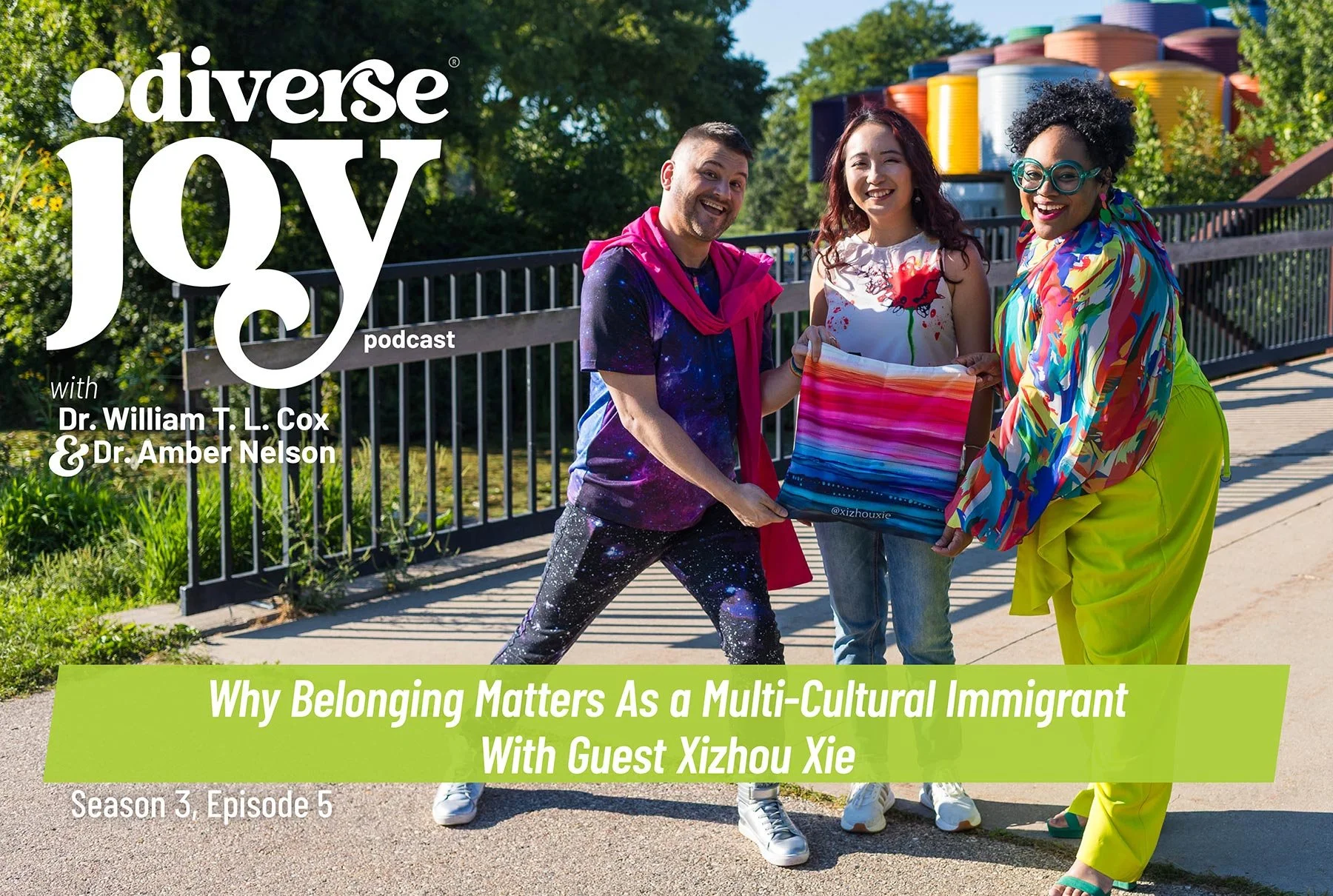
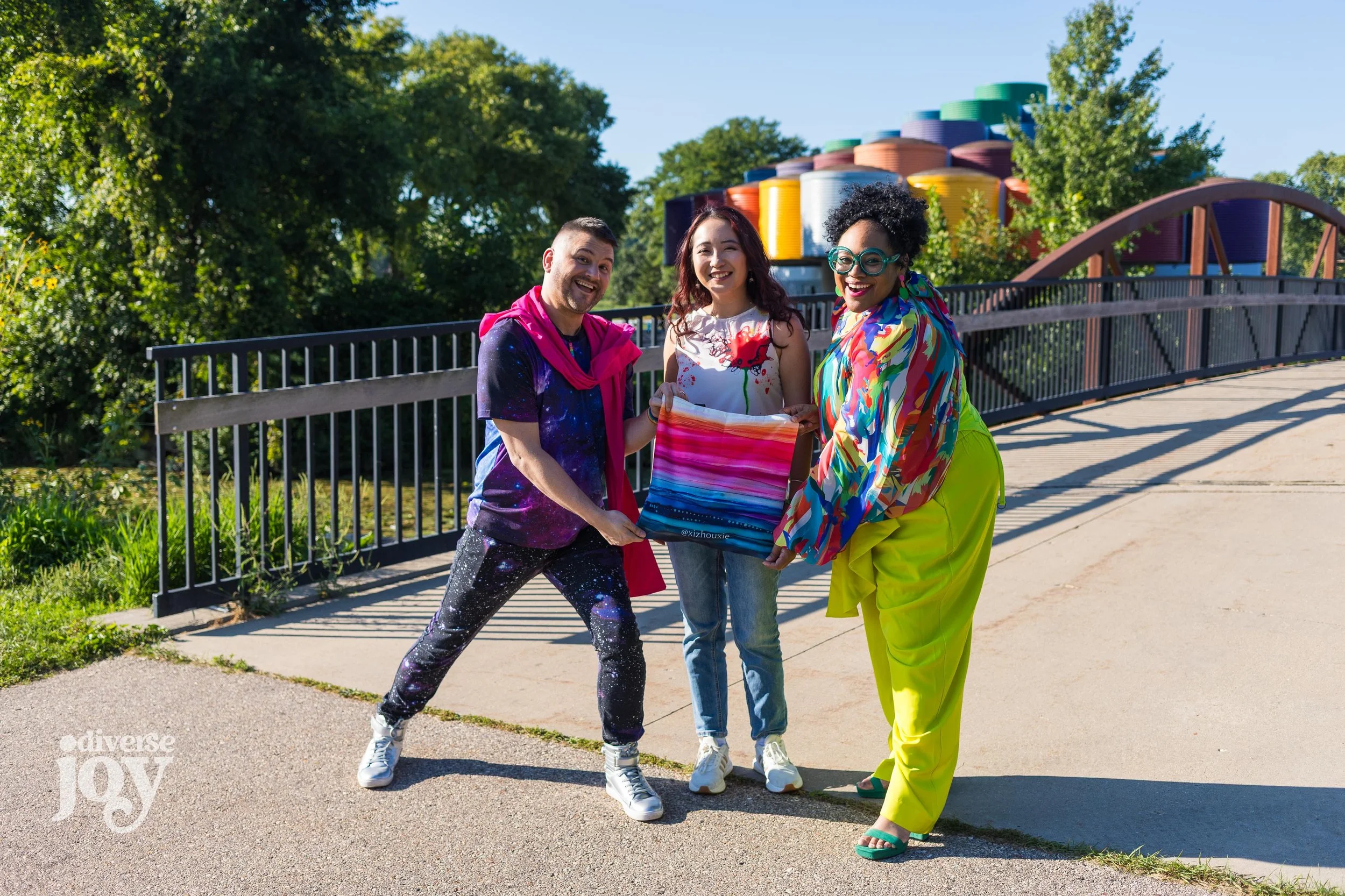
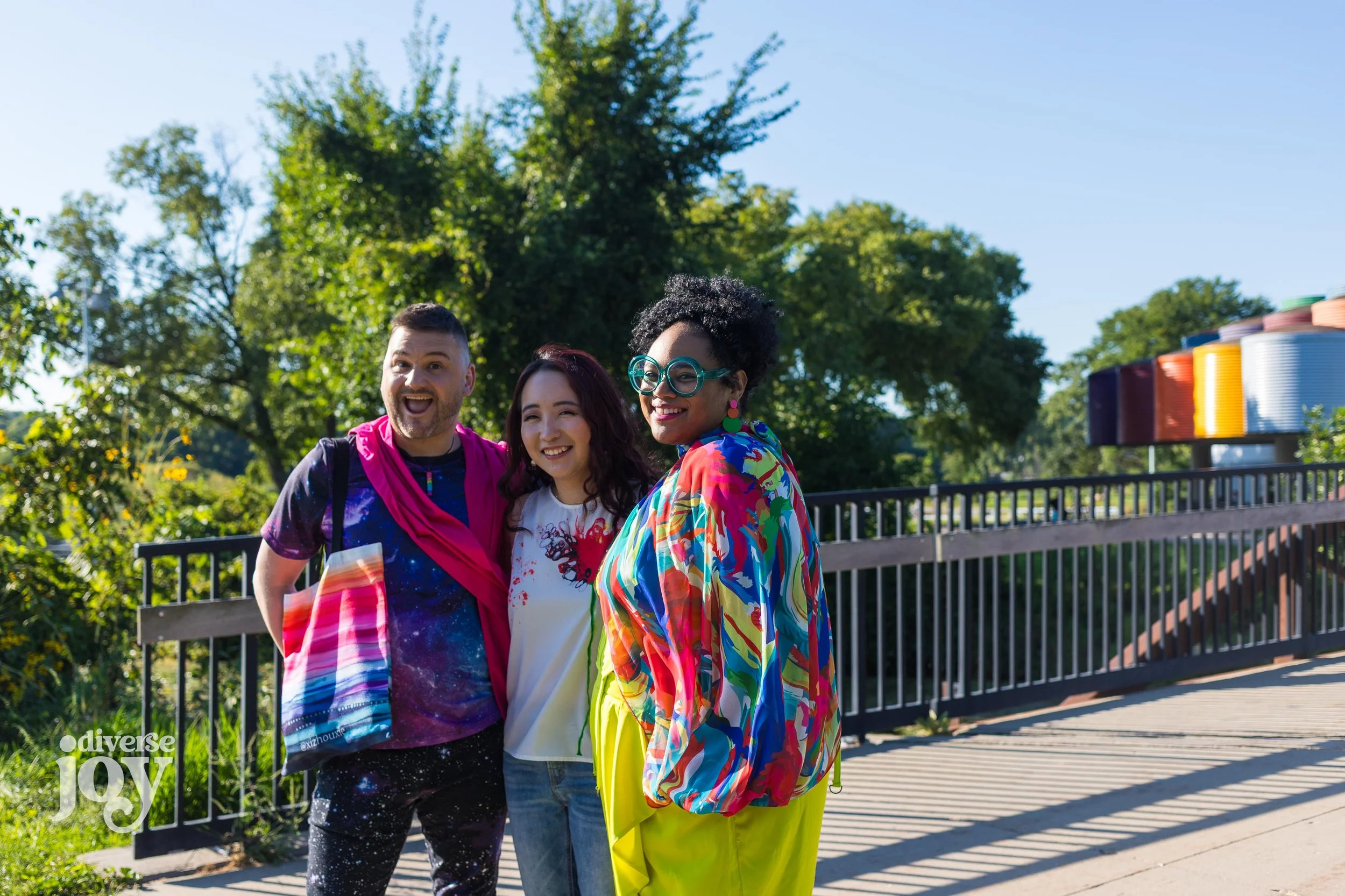
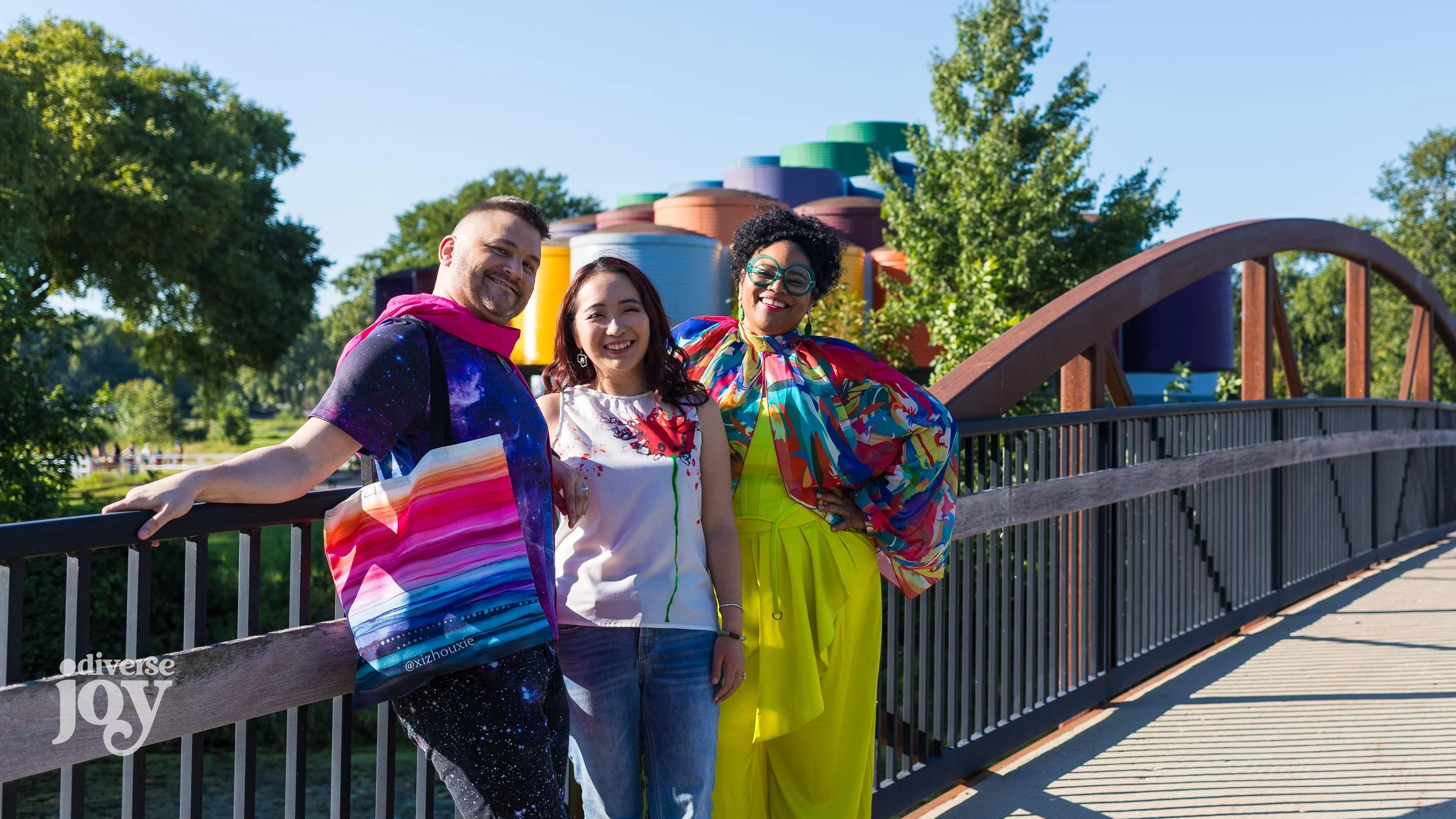
Will, Xizhou, and Amber in the this episode’s title card
Diverse Joy Podcast - Season 3, Episode 5
This episode, we invite special guest Xizhou Xie (pronounced “She-Joe shieh”), an artist, statistician, and Chinese-American immigrant. Xizhou’s joy this episode is her wonderful cats, Shadow and Kit-Kat! Amber’s joy is a local BIPOC community group, and Will’s joy is his and producer Eric Roman’s annual “Soup-er Bowl” party.
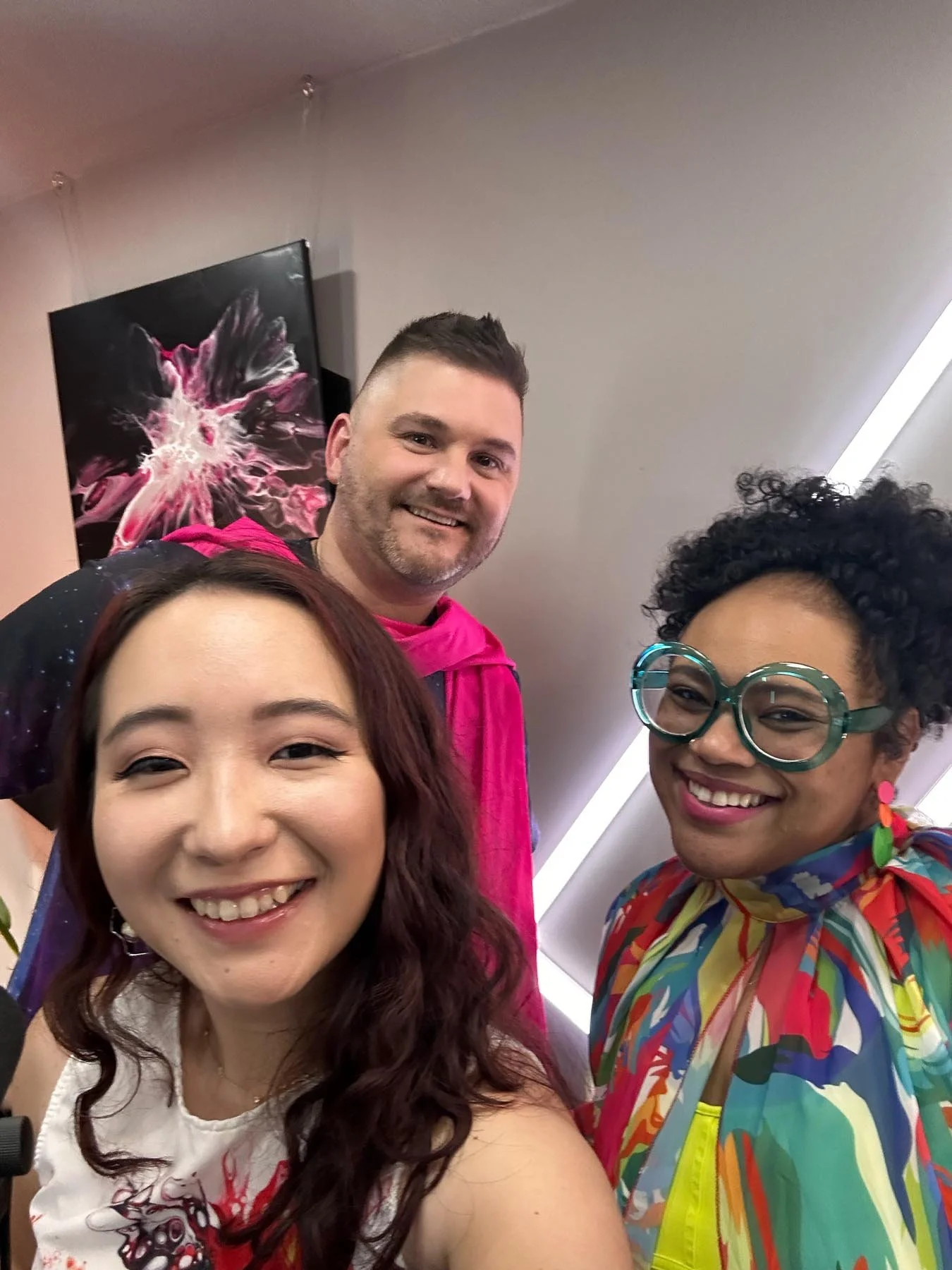
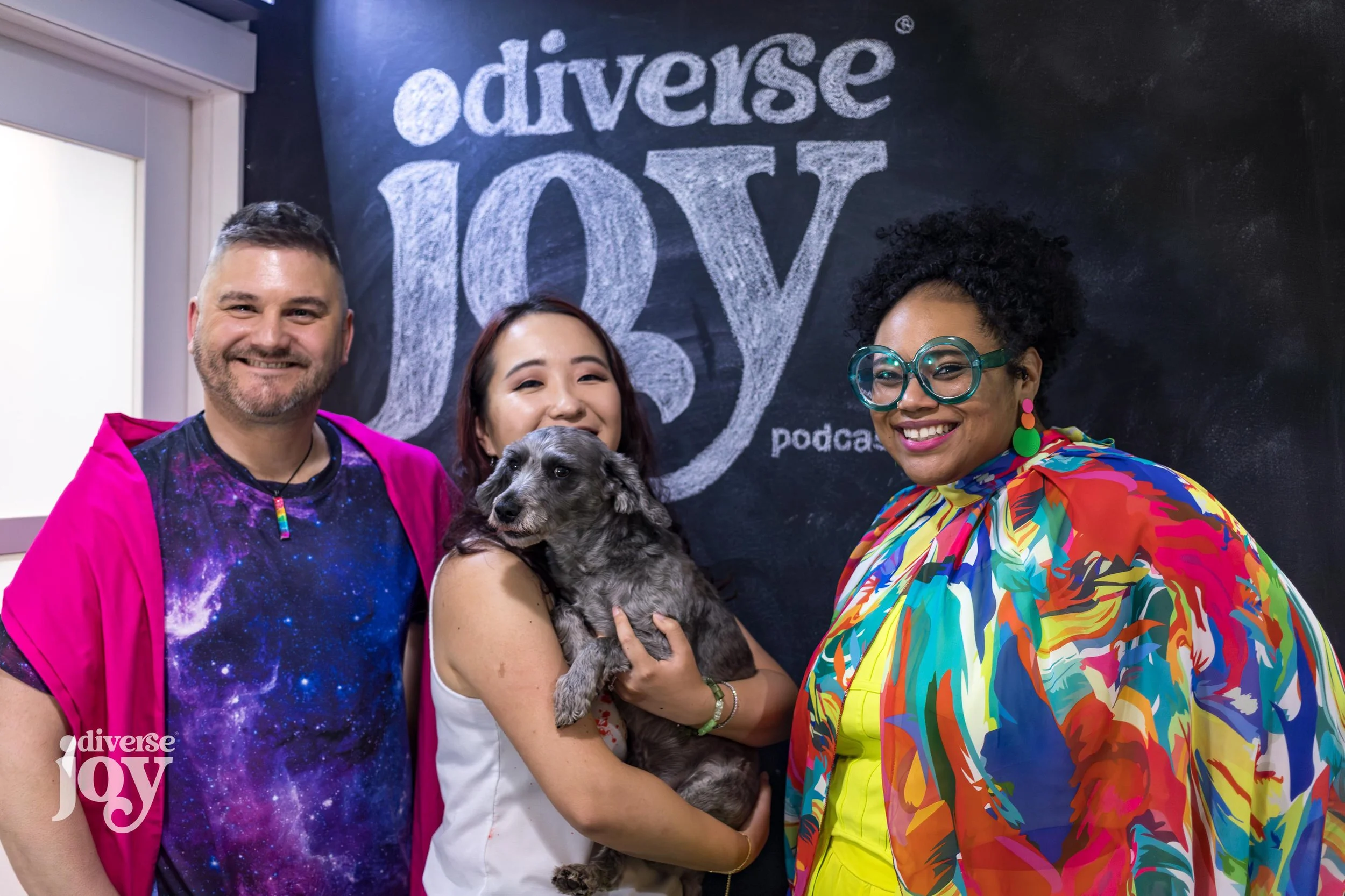
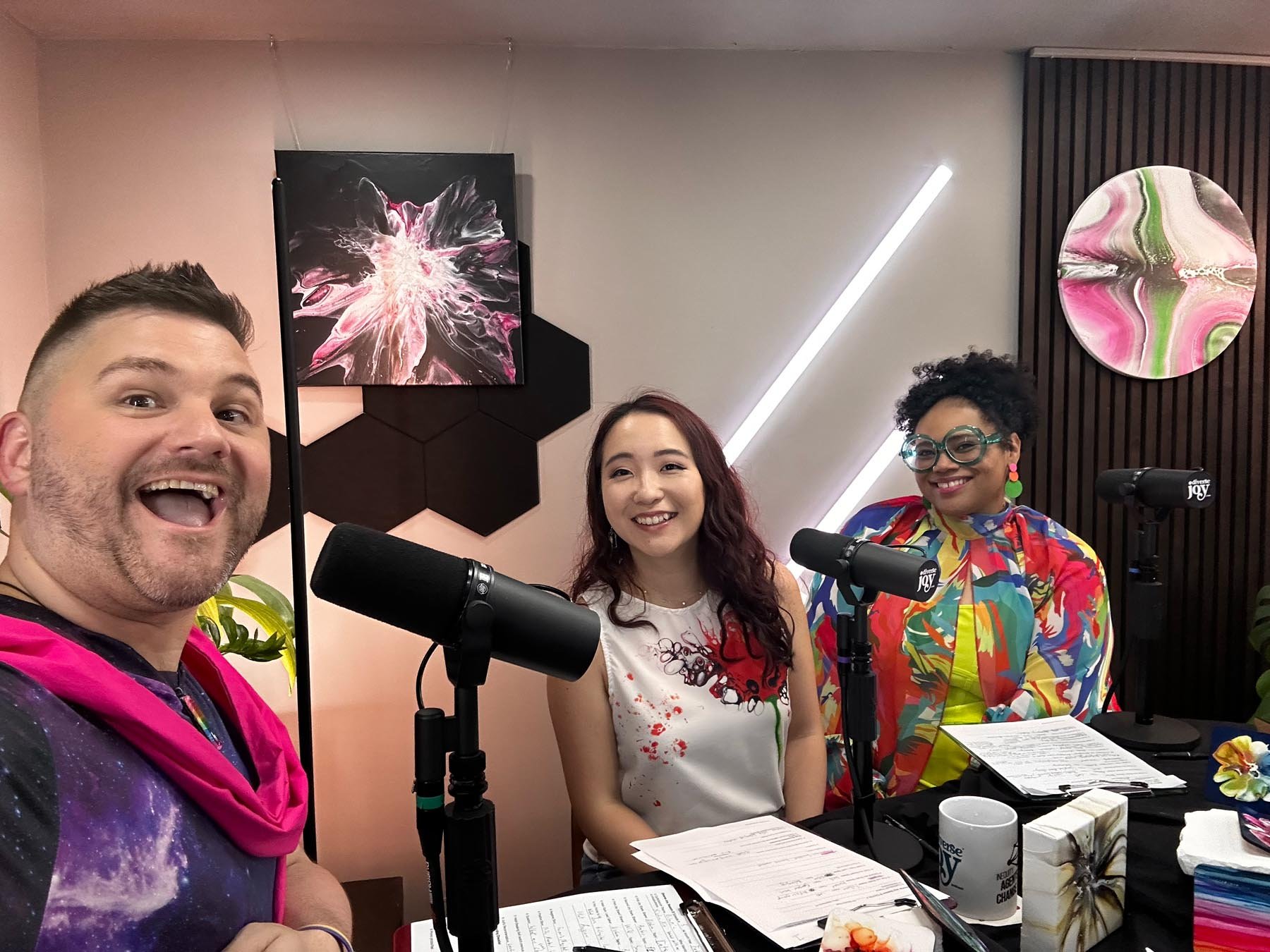
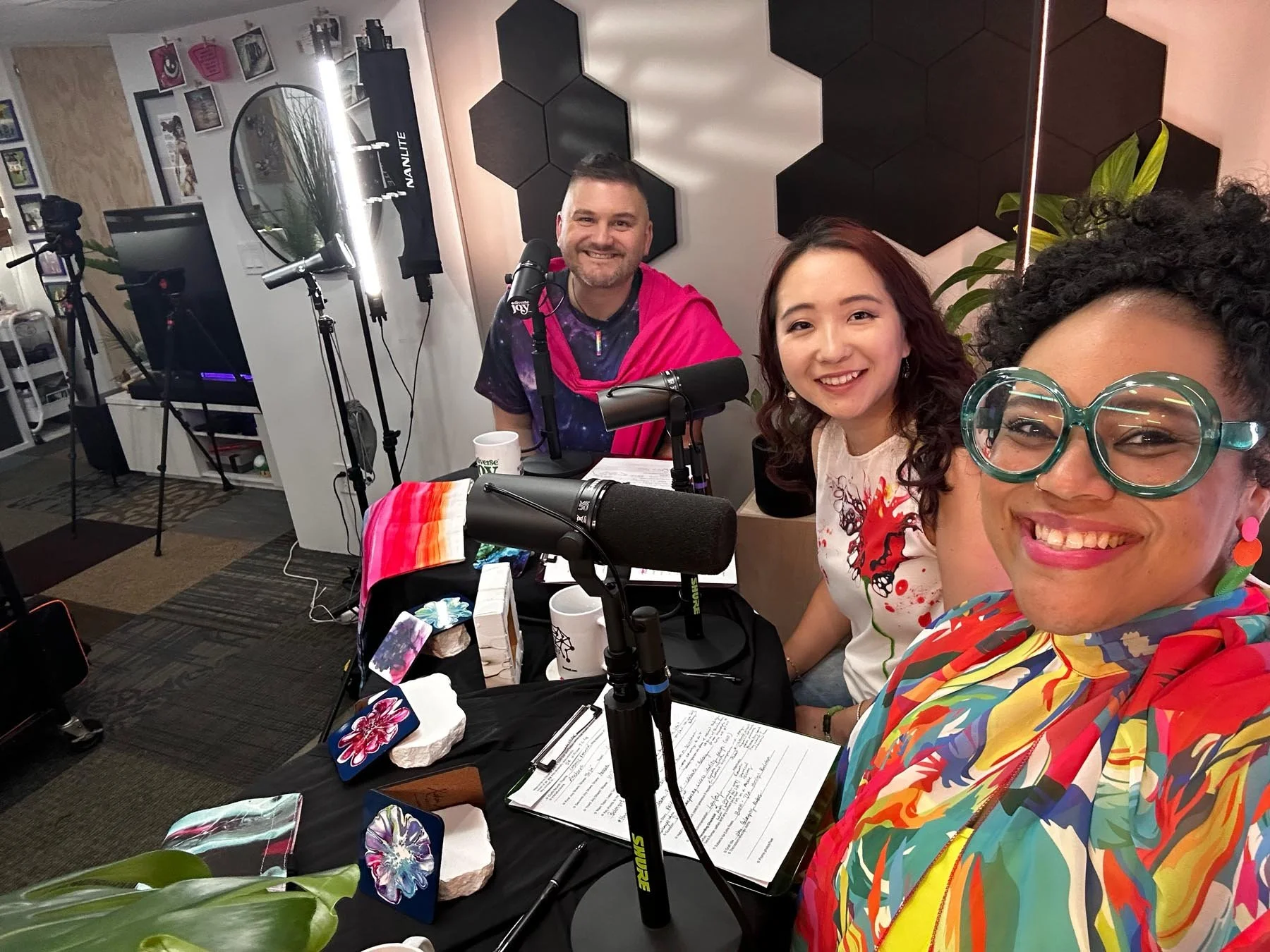
A selfie Xizhou took during a break from recording this episode
For the main discussion topic on belonging, Xizhou shares some of her story of how she came to the U.S., how she thinks of belonging (or lack thereof) as an immigrant in the U.S., and that in recent times it’s been especially difficult for immigrants in the United States. The hosts discuss related concepts like racial battle fatigue and how to address ambiguous bias.
During Story Time, Xizhou shares a negative story about anti-Asian racism, especially highlighting how overt hate can happen anywhere, even in places we hope are more safe or accepting. Her positive story relates to having a booth at an LGBTQ+ Pride event, where she felt amazing community, safety, and belonging, even without identifying as a member of LGBTQ+ community. The positive story leads to great discussion about cross-group solidarity across stigmatized identities.
Xizhou’s statistical expertise was wonderful to have as we discussed the answer to our question, “What are some challenges when working with data comparing identity groups?” Even if you are not a scientist or mathematician, this is an excellent primer on how to understand statistics that compare racial, LGBTQ+, or other groups, which can more easily be overblown or misrepresented.
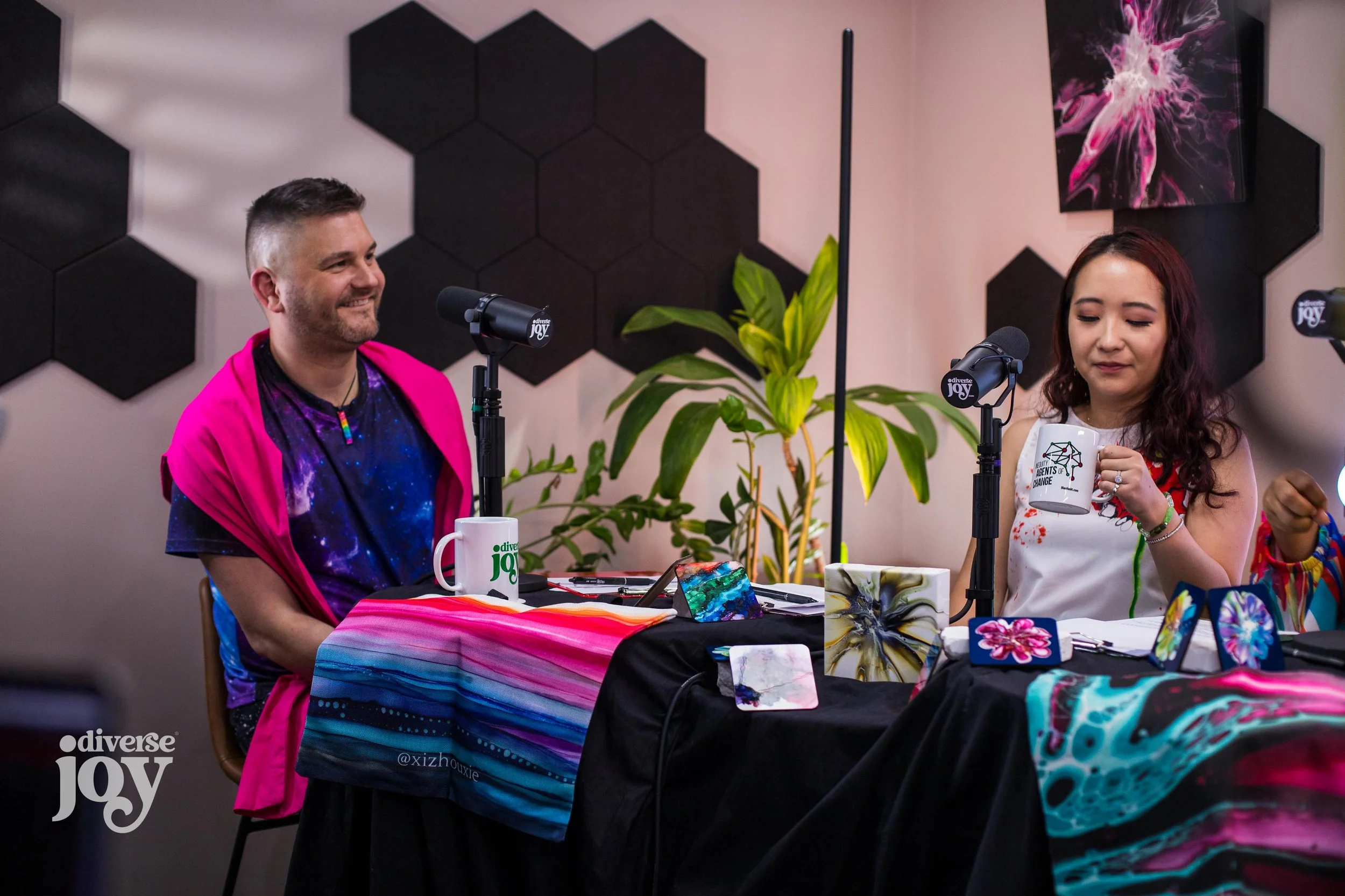
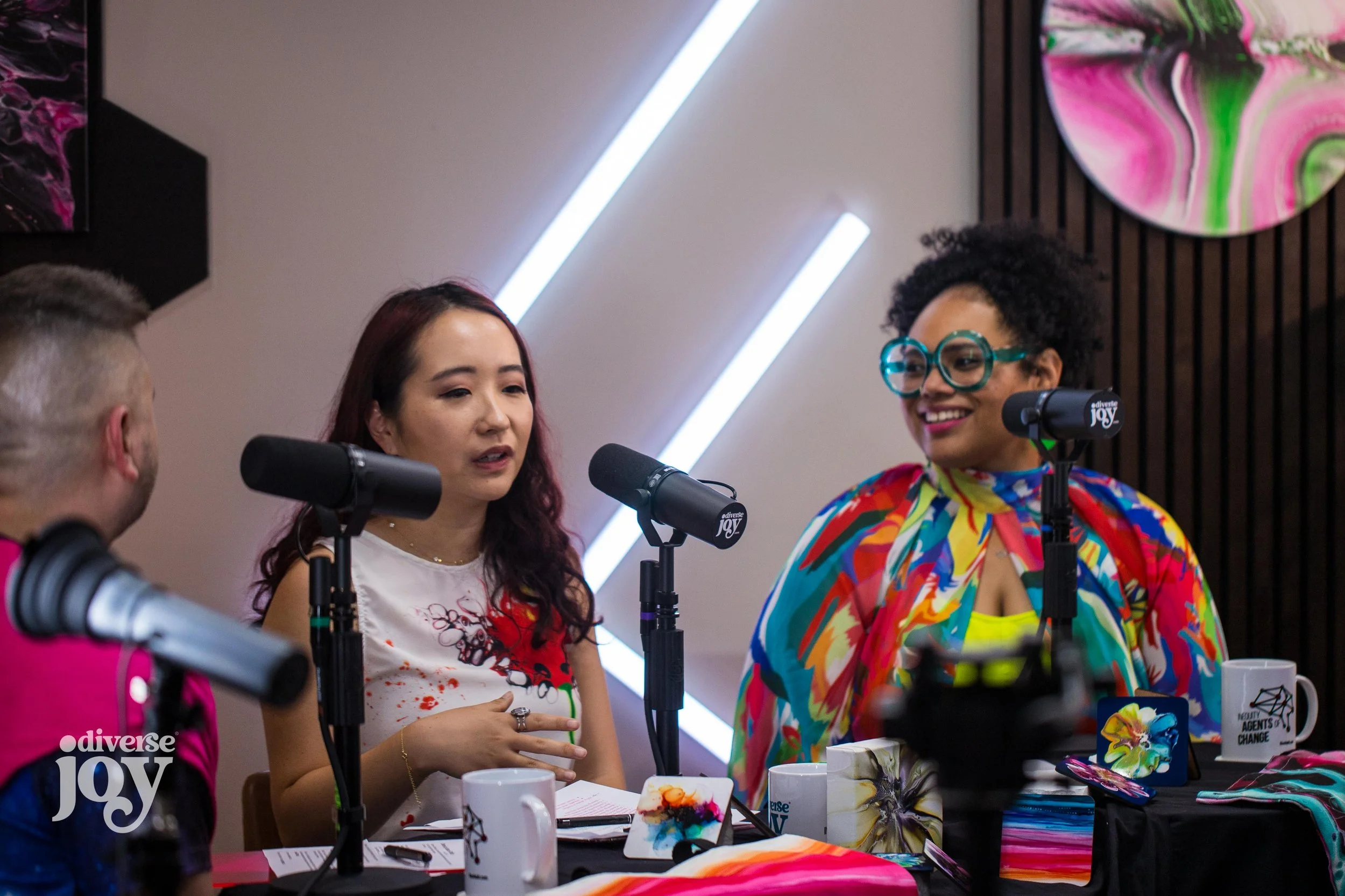
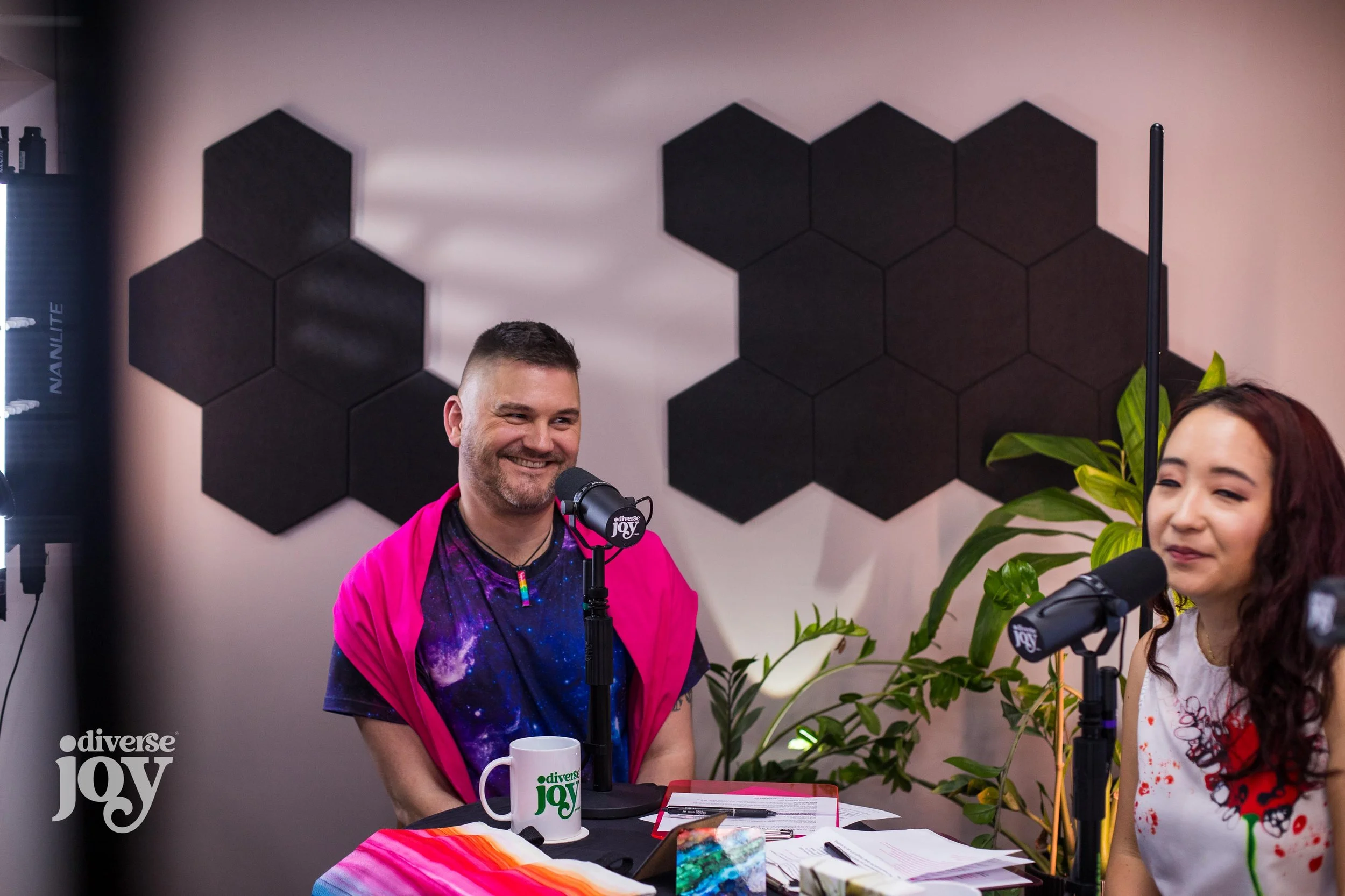
Will smiling at Amber (off screen) while Xizhou enjoys some coffee from an Inequity Agents of Change mug
The Bias Habit-Breaking Skill is Cognitive Inertia, which perpetuates our preexisting ideas in a number of ways. These include Attentional Spotlight, in which our attention is biased such that we notice more confirmatory evidence, Confirmation Bias, in which we give more weight to confirmatory than disconfirmatory evidence, and Untested Assumptions, when there is no evidence at all, but our own assumptions are a mental rehearsal that can strengthen stereotypes. Xizhou was an author with Will on one of the big research papers providing evidence for some of these phenomena! Xizhou and Amber share additional examples of Untested Assumptions, specifically related to assumptions that Asian folks don’t speak English well.
Xizhou’s joyful recommendation is the whimsical Icelandic-Chinese musician Laufey (Loy-vey), who is “making jazz music cool again.” Her music gives you “main character energy” and fills you with joy!

The episode can be found below, by following the podcast wherever you get podcasts, including Apple Podcasts, Spotify, iHeartRadio, RSSFeed, Amazon/Audible, or by subscribing to @BiasHabit on YouTube.
Image Gallery for “Mind-Body Connection: The Body Keeps the Joy”